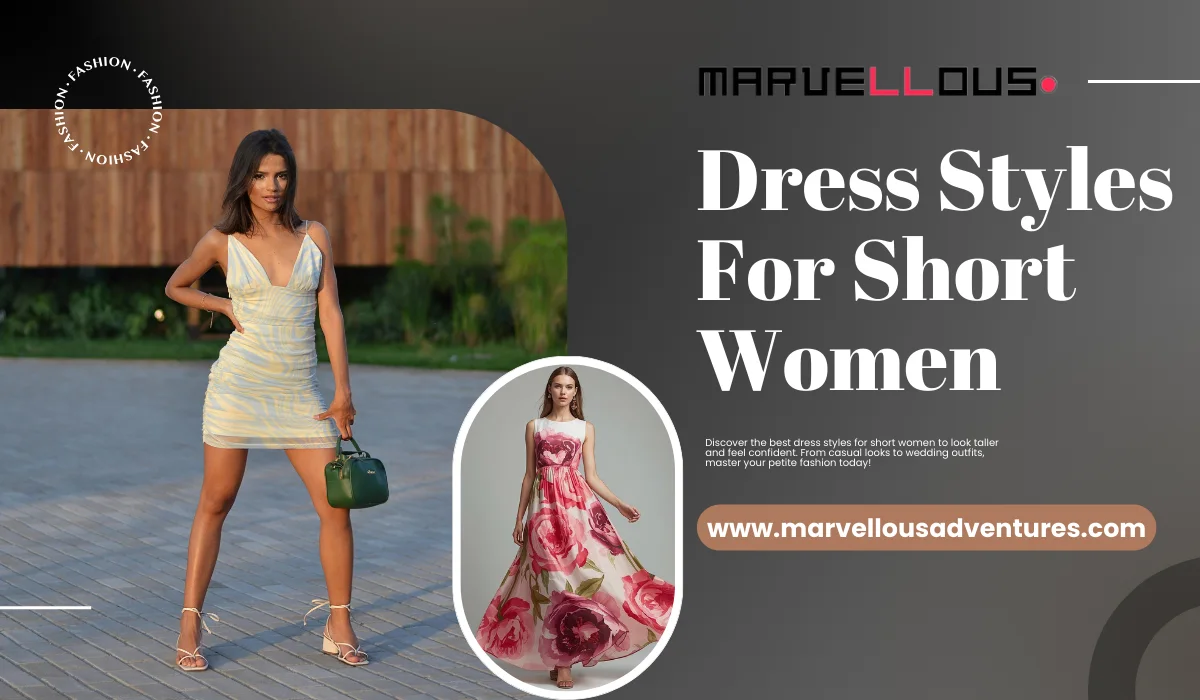
The best dress styles for short women prioritize vertical lines and high-waisted silhouettes to elongate the frame. Key styles include A-line dresses, wrap dresses with V-necklines, and monochromatic shifts. For the most flattering fit, choose hemlines that sit above the knee or floor-length maxis to avoid visually shortening the legs.
What are the best dress styles for short women?
Dress styles for short women are garments specifically engineered to complement a petite frame, typically defined as 5’4” or under. These designs utilize adjusted proportions, such as raised waistlines and scaled-down patterns, to ensure fabric does not overwhelm a smaller stature.
The primary objective is "vertical integrity." By employing streamlined silhouettes and eliminating horizontal visual breaks, these dresses create the illusion of added height. This strategic approach to tailoring aligns the garment’s structure with the wearer's natural anatomical breakpoints.
Why is petite styling important in 2026?
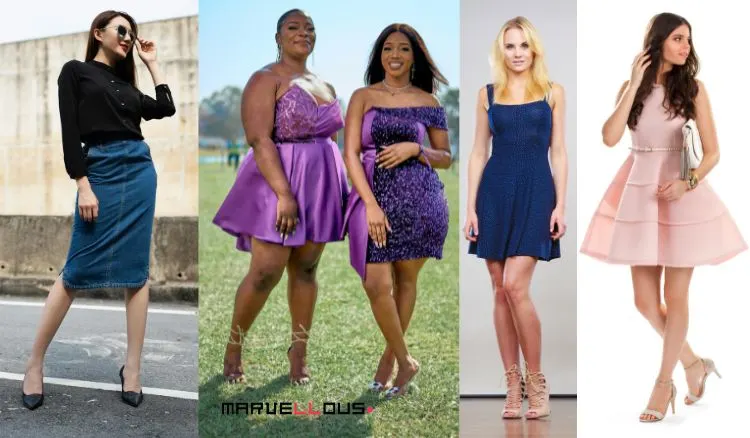
Petite styling is critical because standard apparel is generally modeled for a 5’7” height. For shorter women, this discrepancy results in misplaced waistlines and excess fabric, leading to a "frumpy" or ill-fitting appearance. Modern inclusive sizing now offers precise, ready-to-wear options for smaller frames.
Proper styling enhances professional presence and personal confidence. in a digital-first era where visual branding is essential, wearing proportions that match your height ensures a polished, intentional, and authoritative look in every environment.
Read also: Tangerine Color Trend 2026: How to Wear 'Hardcore Orange' Like
Key benefits of petite-focused dress styles
- Enhanced Visual Height: Specific cuts can add the optical illusion of 5–8 cm to the frame.
- Structural Balance: Ensures that shoulders, waists, and knee placements align correctly with the body.
- Tailoring Efficiency: Purchasing petite-specific designs significantly reduces the need for expensive hem and sleeve alterations.
- Improved Silhouette: Correct fit prevents the body from being "swallowed" by excess material.
How to use the "Rule of Thirds" for height
To appear taller, apply the "Rule of Thirds." Rather than bisecting the body at the midline, aim for a 1/3 top and 2/3 bottom ratio. High-waisted dresses are the most effective tool for this, as they move the perceived starting point of the legs upward.
Monochromatic dressing—wearing a single color from head to toe—is equally effective. By removing visual "stops" at the waist or hips, the eye travels uninterrupted from the neckline to the hem, making the silhouette appear significantly longer and leaner.
Real-world examples of petite fashion
For professional settings, a sheath dress with a narrow belt at the natural waist creates a sharp, vertical line. For casual use, a wrap dress offers a built-in V-neckline that elongates the neck and torso while providing a defined, adjustable silhouette.
For formal events, floor-length maxi dresses in solid colors provide a majestic, unbroken line. In traditional fashion, a short-length Anarkali paired with slim-fit leggings prevents volume from overwhelming the wearer’s height while maintaining cultural elegance.
Common mistakes and myths
A recurring myth is that short women should avoid long dresses. Conversely, a fitted maxi dress can make a woman look taller than a mid-calf midi dress, which often "chops" the leg at its widest point.
Avoid "low waist" styles and oversized, "tent-like" silhouettes. While these may be trendy, they pull the gaze downward and add horizontal bulk, which visually compresses a petite frame and makes it appear wider.
Expert insights on fabric and necklines
Fashion experts recommend lightweight, draping fabrics such as silk, chiffon, or fine cotton. Heavy, rigid fabrics add unnecessary volume that can overwhelm a small frame and restrict fluid movement.
The V-neckline is a universal stylistic tool for petites. It creates a vertical focal point that draws the eye upward toward the face. Pairing a V-neck with a high-slit hemline is a professional stylist's secret for maximizing perceived leg length.
Who should consider these styles?
Any woman 5’4” or under should utilize these principles. This includes "short and chubby" or "petite and curvy" body types who benefit from structured silhouettes. These rules also help short, skinny women add shape without being lost in oversized fabric.
Read also: How To Style A Hoodie Women: Modern Hoodie Fashion Guide
Pros and Cons
| Feature | Pros | Cons |
| High Waists | Elongates legs instantly | May feel restrictive if not sized correctly |
| V-Necklines | Lengthens the neck/torso | Might not suit all aesthetic preferences |
| Mini Hemlines | Maximizes leg exposure | Not always appropriate for formal offices |
| Monochrome | Seamless vertical silhouette | Can limit creative color-blocking options |
FAQs
What is the best dress length for a 5-foot woman?
Above the knee or floor-length.
Can short women wear midi dresses?
Yes, if the hem falls slightly above or below the widest part of the calf.
Do vertical stripes make you look taller?
Yes, they draw the eye up and down, creating a lengthening effect.
Which shoes make petite women look taller?
Pointed-toe flats and nude-colored heels.
Final Verdict
The best dress styles for short women are those that respect natural anatomical proportions. By prioritizing high waists, V-necks, and vertical lines, you can create a look that is both stylish and height-enhancing. Always prioritize fit over trends to ensure a confident and polished appearance.